What is emotional intelligence at work?
Mirror, Brakes, Radar, Bridge: four tools I teach young adults for their first jobs.

Emotional intelligence at work is knowing what you feel, pausing before you react, reading the room, and choosing a response that helps everyone win. I teach it as four tools: Mirror, Brakes, Radar and Bridge.
When I teach young adults, I start with one question: who here has ever sent a text and immediately thought, why did I just do that? That moment of noticing is where emotional intelligence begins.
Mirror means know what you feel. Name it, even just to yourself. "I'm frustrated" is more useful than "I'm fine."
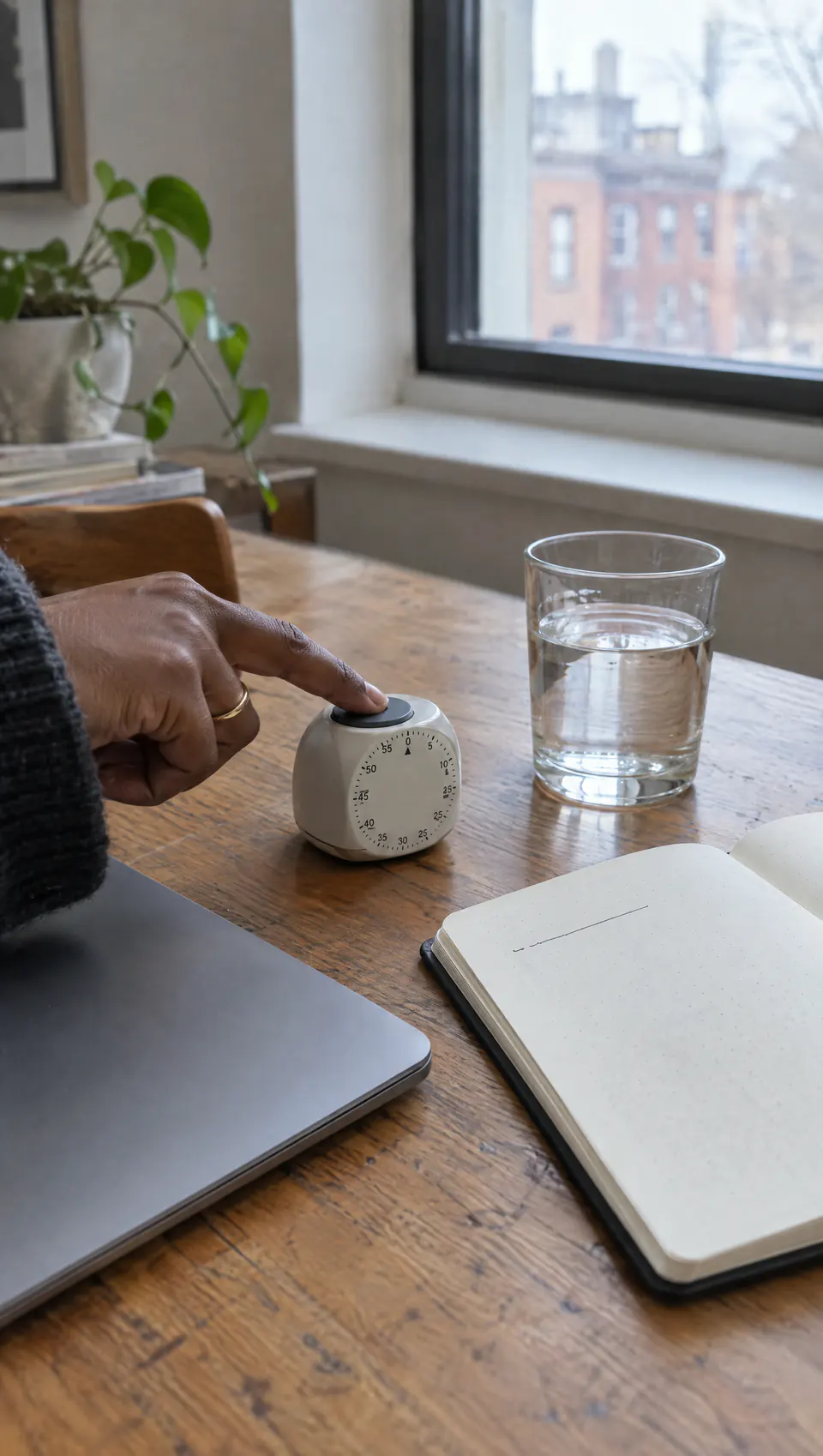
Brakes means stop before you react. My favorite tool is the 3-second pause. Breathe in, count to three, then decide. Three seconds can save a job.
Radar means read the room. What is the other person feeling? What is the pressure on them today? Classmates are your first coworkers, and practice starts now.
Bridge means act so everyone wins. Once you know your feeling and theirs, you can choose words that solve the problem instead of starting a fire.
Emotions are data. Read them, then respond.
Donna Marie
In my workshops we put all four tools to work in Vibe Check, an emotional intelligence game set in real NYC workplace moments. Teams play on their phones, it gets loud, and everybody learns.
If you run a school, nonprofit or workforce program and would like this for your group, visit the Youth and Workforce page and request a proposal.
Quick answers
Can emotional intelligence be learned?
Yes. Like any skill it grows with practice, and young adults pick it up fast when it feels real and fun.
What ages do you work with?
Youth and young adults, plus adult teams. Every program is set up with the right permissions for the ages in the room.